How Long Does a 21700 Battery Last?
There is no fixed lifespan for a 21700 battery. How long a cell remains useful depends on how it is used, how it is stored, the temperatures it experiences and the design of the specific cell model.
Lithium-ion batteries gradually age through two main processes: cycle aging, which is associated with charging and discharging, and calendar aging, which continues over time even when a battery is not being used.
Both processes affect a cell's performance. This guide explains what battery lifespan means, what causes capacity decline and how everyday use and storage conditions can influence how long a 21700 cell remains useful.
What Does Battery Lifespan Mean?
A lithium-ion battery does not necessarily stop working when it reaches the end of its expected service life.
In many cases, the first noticeable change is capacity fade: the cell gradually stores less energy than it did when new.
Other performance changes may also occur, including increased internal resistance and reduced ability to deliver power under certain loads.
Manufacturers may describe battery durability using a cycle-life specification. This generally indicates how a cell performs after a defined number of charging and discharging cycles under specified test conditions.
The result depends on the test method and the capacity-retention threshold selected by the manufacturer. It should not be interpreted as a guaranteed number of years for everyday use.
A cell that has lost some of its original capacity may still operate, but whether it remains suitable depends on the requirements of the device using it.
Cycle Aging: How Charging and Discharging Affect Battery Life
Cycle aging refers to the gradual degradation associated with charging and discharging a battery.
Each cell experiences some degree of change during use. Over time, repeated operation can reduce the amount of energy the cell can store and deliver.
The rate of cycle aging depends on several factors:
- Depth of discharge: How much of the available capacity is used during operation.
- Charging and discharging current: The current levels used during charging and under load.
- Operating temperature: High temperatures can accelerate degradation.
- Cell design: Different models are engineered for different performance requirements.
A battery used frequently under demanding conditions may age differently from one used occasionally under lighter loads.
There is no universal cycle count that applies to every 21700 cell. The manufacturer's datasheet is the appropriate reference for a particular model's cycle-life rating and test conditions.
For a detailed explanation of cycle counts and how manufacturers evaluate them, see How Many Times Can a 21700 Battery Be Recharged?
Calendar Aging: Why Batteries Degrade Even When Not Used
Cycle aging is only part of the picture. Lithium-ion cells also experience calendar aging, which occurs as time passes, even when the battery is not actively being charged or discharged.
Two important factors influence calendar aging.
1. Storage Temperature
Temperature has a significant effect on battery aging.
Prolonged exposure to high temperatures can accelerate chemical reactions inside a lithium-ion cell, contributing to capacity loss and other performance changes.
For this reason, storing a spare battery in a hot car, near a heat source or in direct sunlight is generally not recommended.
A cool, dry storage environment is preferable, provided it remains within the manufacturer's specified storage conditions.
2. State of Charge
State of charge (SoC) describes how much energy remains in a battery relative to its available capacity.
Long-term storage at a very high state of charge can accelerate certain aging processes. Leaving a cell deeply discharged for an extended period can also create problems, including the risk of falling below its permitted voltage range.
For spare cells, follow the manufacturer's recommended storage charge level rather than assuming that keeping a battery completely full is always best.
Calendar aging cannot be eliminated. However, appropriate storage conditions can help reduce unnecessary degradation.
What Shortens a 21700 Battery's Lifespan?
Several everyday conditions can contribute to faster battery degradation.
- Prolonged high temperatures: Heat can accelerate chemical aging, especially during long storage periods.
- Demanding charging and discharging conditions: Operating outside the cell's specified current limits can increase stress.
- Extended storage at extreme charge levels: Keeping a cell fully charged or deeply discharged for long periods may accelerate degradation or create other problems.
- Unsuitable charging conditions: Charging outside the manufacturer's specified voltage, current or temperature limits can affect performance and safety.
- Long-term neglect: Spare cells stored for extended periods may gradually lose charge and should be checked according to the manufacturer's guidance.
These factors do not affect every cell in exactly the same way. Their impact depends on the chemistry, construction and operating requirements of the specific model.
The goal is not to avoid using a battery. It is to avoid unnecessary operating and storage conditions that can accelerate aging.
How to Slow Capacity Decline
Battery aging is unavoidable, but sensible usage and storage practices can help maintain performance for longer.
Store Batteries in a Cool, Dry Place
Keep spare cells away from direct sunlight, hot vehicles and other heat sources.
Follow the manufacturer's recommended storage temperature range.
Avoid Long-Term Storage at Extreme Charge Levels
For cells that will not be used for an extended period, follow the manufacturer's recommended storage state of charge.
A battery does not need to remain fully charged simply because it is being stored.
Stay Within Specified Operating Limits
Use the charging equipment and operating conditions specified for the cell or device.
Avoid charging or discharging a cell outside its permitted temperature and current limits.
Check Stored Cells Periodically
Cells kept in storage for long periods should be checked according to the manufacturer's recommendations.
If a cell has fallen below its permitted voltage or shows physical damage, do not assume it can be returned to normal use simply by recharging it.
These practices cannot guarantee a specific service life. They help reduce avoidable stress on the battery.
How Long Does a 21700 Battery Last in Years?
There is no reliable universal number of years for a 21700 battery.
A cell used frequently may experience more cycle-related degradation, while a cell used occasionally may experience a greater relative contribution from calendar aging.
Even two identical cells stored for the same number of years can have different conditions if their temperatures, charge levels and usage patterns were different.
It is also important to remember that cycle aging and calendar aging happen at the same time. A battery does not stop aging simply because it is not being used.
For this reason, the expected service life of a particular cell should be evaluated using its datasheet, operating history and actual condition rather than a fixed year-based estimate.
What Does Battery Aging Mean for a Power Bank?
In a power bank, the battery cell is an important part of the energy-storage system. As the cell ages and loses capacity, the power bank may provide less usable energy than it did when new.
However, battery capacity decline is not the only reason a power bank can become less useful.
Other components, such as charging ports, connectors, electronic circuits, switches and mechanical parts, can also develop faults or wear over time.
The overall service life therefore depends on both the battery and the rest of the product.
A sealed power bank may become less practical when its internal cell loses significant capacity, particularly if the cell cannot be serviced.
A replaceable-battery design offers another option: when the compatible cell reaches the end of its useful service life, it may be replaced while the rest of the device remains in use, provided the other components are still functioning properly.
For the practical decision between replacing a cell and replacing the entire device, see Replace the Battery, Not the Power Bank.
To understand how this type of product works, see How Does a Replaceable Battery Power Bank Work?.
Key Takeaways
- There is no fixed lifespan for a 21700 battery. Its useful life depends on the cell model, usage, temperature and storage conditions.
- Lithium-ion batteries experience both cycle aging and calendar aging.
- Cycle aging is associated with charging and discharging, while calendar aging continues even when a cell is not in use.
- High temperatures and prolonged storage at extreme charge levels can accelerate degradation.
- A battery's cycle-life specification depends on its manufacturer's test conditions and capacity-retention criteria.
- Appropriate storage and operation can help slow capacity decline, but cannot stop battery aging entirely.
- In a replaceable power bank, a compatible replacement cell may restore lost battery capacity, but it does not eliminate the possibility of faults in other components.
Frequently Asked Questions
How long does a 21700 battery last?
There is no fixed number of years that applies to every 21700 battery. Its useful life depends on the specific cell model, charging and discharging conditions, operating temperature and storage history.
Manufacturers specify cycle-life performance under defined test conditions, but this should not be treated as a guaranteed service life in everyday use.
Do 21700 batteries degrade even when not used?
Yes. Lithium-ion cells experience calendar aging over time, even when they are not actively charged or discharged.
Storage temperature and state of charge are among the factors that influence how quickly this process occurs.
What shortens a 21700 battery's lifespan?
Prolonged high temperatures, demanding charging and discharging conditions, extended storage at extreme charge levels and operation outside the manufacturer's specified limits can contribute to faster degradation.
The impact depends on the individual cell model and its operating conditions.
How many cycles can a 21700 battery handle?
Cycle life varies between cell models and depends on the manufacturer's test conditions and capacity-retention threshold.
Check the specific cell's datasheet for its cycle-life specification. For a detailed explanation of cycle counts and testing, see How Many Times Can a 21700 Battery Be Recharged?
Does a replaceable-battery design make a power bank last longer?
It can extend the useful life of a power bank when battery capacity decline is the main reason the device has become less useful.
A compatible replacement cell may restore its energy-storage capability while the remaining components continue to operate.
However, replaceability does not guarantee that the electronic circuits, ports or mechanical parts will last indefinitely.
How should I store a 21700 cell that I am not using?
Follow the manufacturer's storage recommendations.
As a general practice, keep the cell in a cool, dry place, away from direct sunlight and metal objects. Use the recommended storage charge level and check stored cells periodically according to the manufacturer's guidance.
Replacing the Cell in the KangTao Smart N6-RB
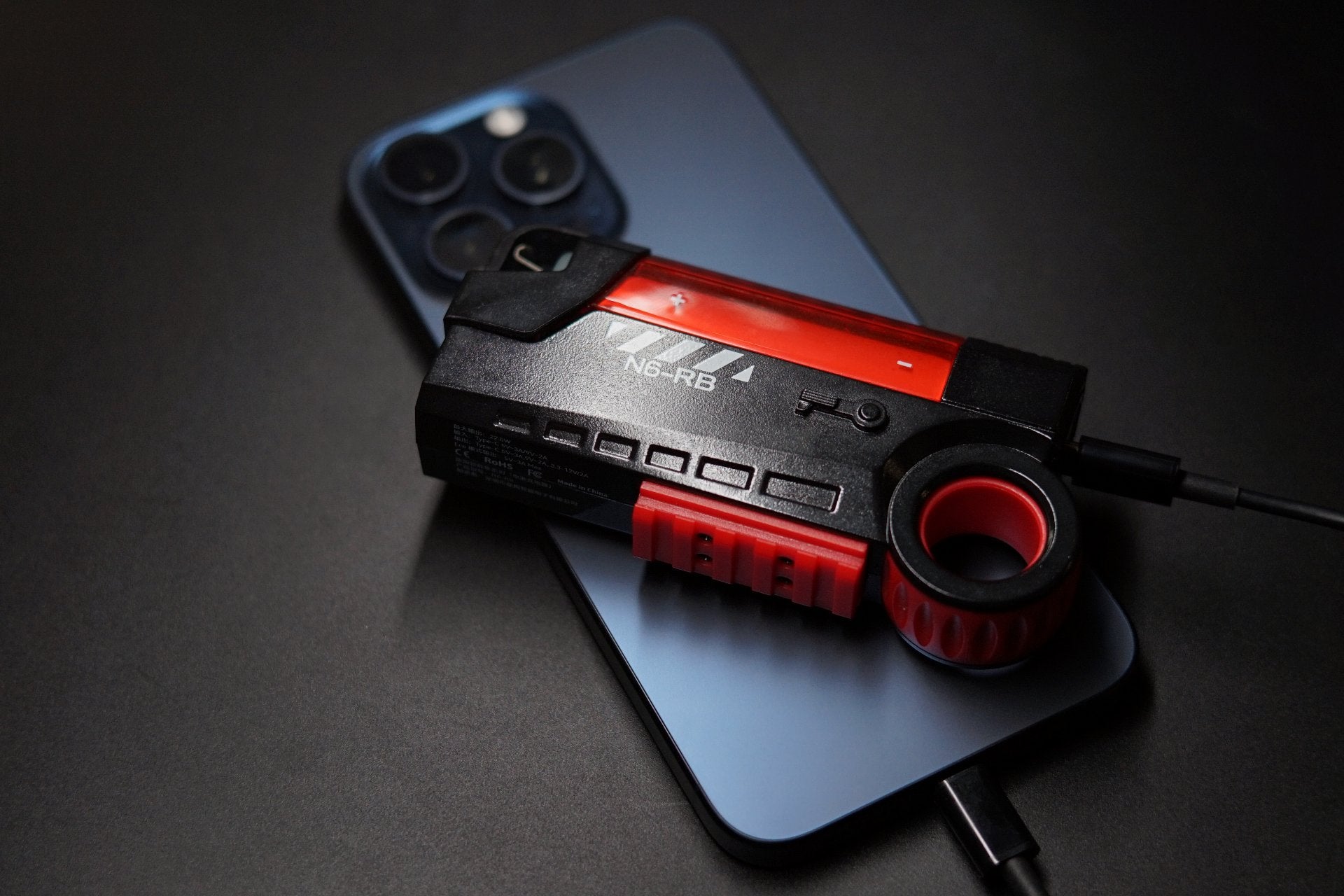
The KangTao Smart N6-RB is designed around a replaceable 21700 cell. Its battery compartment can be opened by hand, allowing the compatible cell to be removed and replaced.
When the cell's capacity declines with use, replacing it may allow the power bank to continue operating without replacing the entire product, provided the remaining components are still in good working condition.
This is one practical application of replaceable-battery design: addressing cell degradation separately from the service life of the complete device.
See the KangTao Smart N6-RB product page for current specifications and product details.