Are Replaceable Battery Power Banks Better?
A replaceable battery power bank can be a better choice for some people, but it isn't automatically better than a sealed model.
The main advantage is serviceability. When a battery cell gradually loses capacity, a replaceable design may allow you to change the cell while keeping the rest of the power bank in use.
However, this design also involves trade-offs in size, weight, purchase price and access to compatible replacement cells. A sealed power bank may be more practical if portability and a lower upfront cost matter more to you.
So, which design makes more sense? It depends on how you use your power bank, how long you plan to keep it and what you expect from it over time.
What Does "Better" Actually Mean?
When comparing a replaceable battery power bank with a sealed one, there isn't just one measure of performance.
A useful comparison should consider several factors:
- Usable lifespan: Can the product remain useful when its battery capacity declines?
- Long-term cost: How much will you spend on the device and any replacement cells?
- Portability: How much size and weight are you willing to carry?
- Replacement availability: Can you obtain compatible cells when you need them?
- Design reliability: How well are the battery compartment, contacts and protection systems engineered?
A replaceable design may offer more flexibility over time, while a sealed design may be smaller and simpler to carry. The better choice depends on which factors matter most to you.
For a basic explanation of the product category, see What Is a Replaceable Battery Power Bank?.
Advantages of a Replaceable Battery Power Bank
1. You May Keep the Device in Use Longer
Rechargeable lithium-ion cells gradually lose capacity through use and aging. The rate depends on factors such as cell chemistry, temperature, charging habits, discharge conditions and storage.
When battery capacity becomes inconvenient, the rest of the power bank may still function normally. If the product is designed for user-level cell replacement, changing the compatible cell can help keep the casing, ports and electronics in service.
This does not mean every power bank fails because of its battery. Ports, connectors, protection circuitry and other components can also wear out or become damaged. The benefit of a replaceable design is that it provides another service option when the cell is the part that needs attention.
2. You Can Carry a Spare Cell for Extra Runtime
A compatible charged spare cell can provide additional runtime without requiring you to carry a second complete power bank.
This can be useful during long days away from an outlet, travel or situations where access to charging is limited.
The practical value depends on the product. You need to confirm that replacement cells are compatible, available and suitable for the device's electrical requirements.
3. It Offers More Flexibility for Long-Term Owners
A replaceable design may be more appealing if you prefer to keep your devices for several years rather than replace them frequently.
Instead of treating the entire power bank as one sealed product, you have the option to replace a specific component when the design and product condition allow it.
That flexibility is particularly useful when the battery has declined but the other components remain in good working condition.
If you already own a power bank with declining capacity, the decision is slightly different. See Replace the Battery, Not the Power Bank for that situation.
Disadvantages of a Replaceable Battery Power Bank
A replaceable battery power bank also has limitations. These should be considered before choosing one.
1. It May Be Larger or Heavier
A removable battery compartment, contacts and access mechanism can require additional space.
As a result, a replaceable design may be less compact than a tightly integrated sealed power bank with similar battery capacity.
For people who prioritize the smallest possible device for a pocket or small bag, a sealed model may be the more convenient option.
2. The Upfront Price May Be Higher
A replaceable design can involve additional hardware, mechanical components and engineering requirements.
This may increase the purchase price compared with a simpler sealed model.
Whether it offers better value over time depends on how long you keep the device, the price of compatible replacement cells and whether the rest of the power bank remains functional.
3. You Depend on Compatible Replacement Cells
Replaceability only provides a practical advantage if suitable replacement cells remain available.
A product may have a removable battery compartment, but the feature becomes less useful if the manufacturer does not provide compatible replacements or clear specifications.
Before buying, check whether the manufacturer sells or recommends replacement cells and whether the product documentation explains the required specifications.
4. The Compartment and Contacts Need Good Engineering
A replaceable design introduces user-accessible mechanical and electrical connections.
The compartment, contacts and locking mechanism should be designed to withstand normal use. Poorly designed connections can affect durability and electrical performance.
This does not make replaceable power banks inherently less reliable. Actual reliability depends on the quality of the product, its components, protection circuitry and manufacturing.
5. It May Not Suit Frequent Upgraders
If you replace your power bank regularly, you may never benefit from the ability to change its battery.
In that case, paying more for a serviceable design may not offer much practical value.
A sealed model may be a more straightforward purchase if you mainly want a compact device at a lower initial price.
Replaceable vs. Sealed Power Banks: Side-by-Side Comparison
|
Comparison |
Sealed Power Bank |
Replaceable-Battery Power Bank |
|
Battery access |
Not designed for routine user replacement |
Designed for compatible cell replacement |
|
When capacity declines |
May require professional repair or replacement of the unit |
The cell may be replaced if the rest of the device is functional |
|
Long-term serviceability |
Generally more limited for user-level battery service |
Offers a user-level battery replacement option |
|
Size and weight |
Often more compact |
The compartment and contacts may add bulk |
|
Upfront cost |
Often lower |
Can be higher |
|
Spare-cell availability |
Not normally required by the user |
Compatible replacement cells are needed |
|
User involvement |
Usually minimal |
May require sourcing and handling compatible cells |
These are general design tendencies, not guarantees. Individual products can differ significantly in construction, weight, price and reliability.
A well-designed sealed power bank may be more durable than a poorly designed replaceable one. The product's actual specifications and build quality matter more than the design category alone.
What to Check Before Buying a Replaceable Power Bank
If you are considering a power bank with a removable battery, don't rely on the word "replaceable" alone.
Look for the following details:
- A genuine battery compartment: The product should be designed for normal user-level access rather than requiring you to open a glued or welded enclosure.
- Available replacement cells: Check whether the manufacturer sells or recommends compatible replacements.
- Clear product documentation: The manual or product page should explain the supported replacement specifications.
- Electrical compatibility: Replacement cells must match the device's voltage, capacity range, discharge characteristics and other electrical requirements.
- Mechanical compatibility: Dimensions, terminal design and contact arrangement must match the compartment.
- Protection systems: Check whether the power bank provides appropriate protection against overcharge, over-discharge, overcurrent, overvoltage, short circuit and over-temperature conditions.
- Safety documentation: Look for credible product testing and safety documentation rather than relying on general marketing claims.
One important detail: 21700 is a physical cell size, not a guarantee of compatibility. Cells with the same dimensions can have different electrical characteristics, terminal designs and performance limits. A replacement must meet the specific requirements of the device.
For a closer look at cell formats, see Pouch vs. 21700 Battery Cells.
For the electrical principles behind the design, see How Does a Replaceable Battery Power Bank Work?.
Who Should Choose a Replaceable Battery Power Bank?
A replaceable battery power bank may be a good fit if:
- You prefer to keep devices for several years.
- You want the option to replace a worn battery without automatically replacing the entire device.
- You regularly need additional runtime and are comfortable carrying a compatible spare cell.
- You have confirmed that suitable replacement cells are available.
- You value serviceability more than having the smallest possible enclosure.
A sealed power bank may be a better fit if:
- Minimum size and weight are your top priorities.
- You want a lower upfront purchase price.
- You usually replace your devices before battery aging becomes a concern.
- You prefer a simpler product that does not require sourcing spare cells.
- You do not expect to use the battery replacement feature.
Neither design is universally better. The right choice depends on your charging habits, budget and expectations for long-term use.
Where the KangTao Smart N6-RB Fits
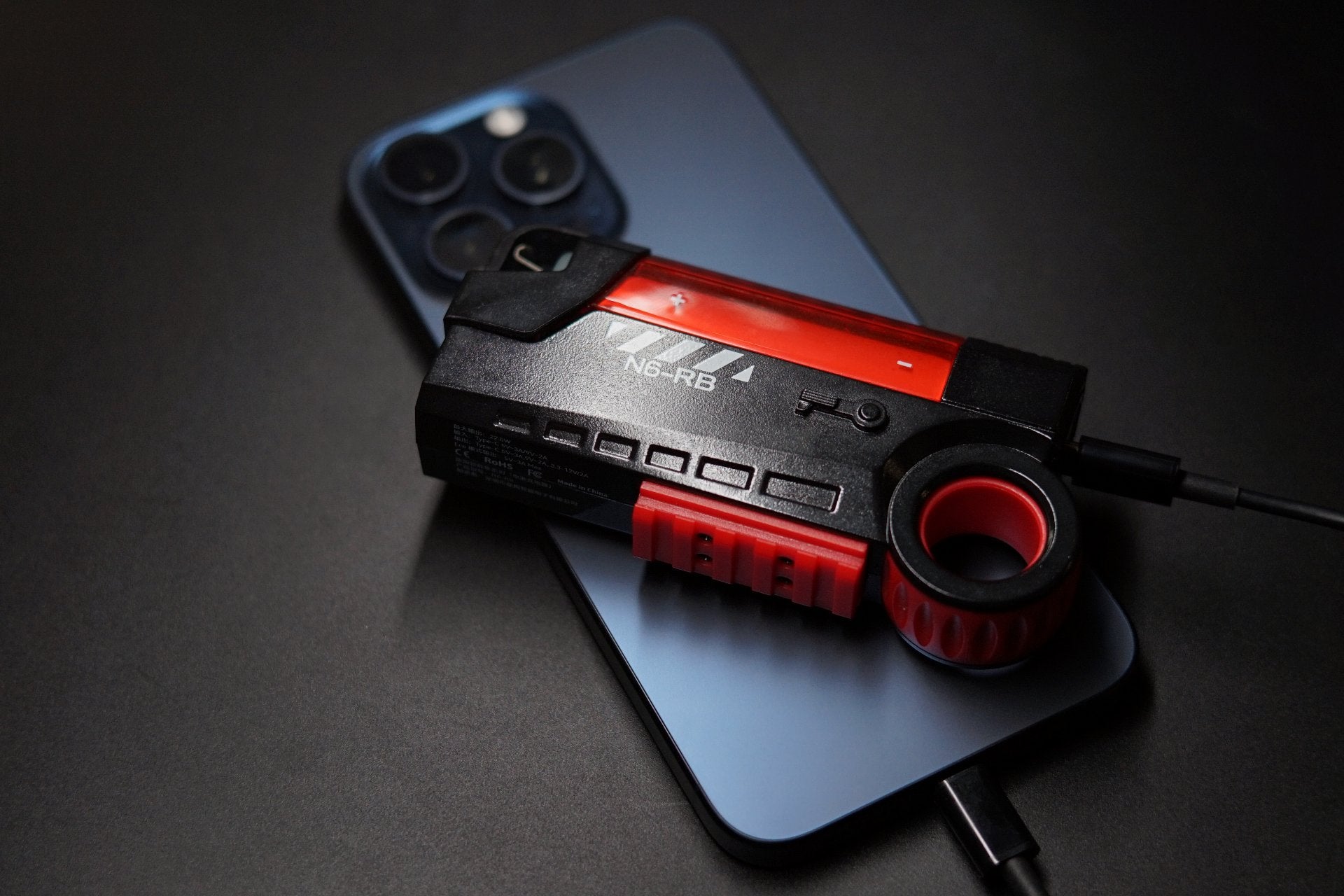
The KangTao Smart N6-RB is designed around a replaceable 21700 battery cell in a compartment that can be opened by hand.
It is important to clarify what this design does and does not offer: the N6-RB is a single-cell replacement design, not a stackable or expandable power bank system. Additional runtime comes from carrying a compatible spare cell, not attaching another battery module to the device.
The unit weighs approximately 55g and supports up to 22.5W fast charging over USB-C. Its design focuses on portability and the ability to replace the battery cell when needed.
This approach involves a trade-off. It provides a battery replacement option, but it is not intended to function as a building-block platform with attachable capacity modules.
We do not claim that the N6-RB is automatically better than every sealed power bank. It is an alternative for people who value a replaceable-cell design and are comfortable with its associated trade-offs.
Key Takeaways
- A replaceable battery power bank is not automatically better than a sealed model.
- Its main advantage is the option to replace a compatible cell while keeping the rest of a functional device in use.
- Potential trade-offs include additional bulk, a higher upfront price and dependence on compatible replacement cells.
- Sealed power banks are often more compact and less expensive to buy.
- Before purchasing, check the replacement procedure, spare-cell availability, electrical compatibility and product safety documentation.
- A standard cell size such as 21700 does not mean every cell of that size is compatible with every device.
Frequently Asked Questions
Are replaceable battery power banks better than sealed ones?
Not universally. A replaceable design offers an additional service option when battery capacity declines, provided compatible replacement cells are available. A sealed power bank is often more compact and may cost less upfront. The better choice depends on your priorities.
Do replaceable power banks cost more?
They can cost more because the battery compartment, contacts and serviceable construction require additional design and hardware. The long-term cost may be lower if you keep the product for years and replace the cell instead of the whole device, but this depends on replacement prices and product condition.
Are replaceable battery power banks more reliable?
Not necessarily. Replaceable designs have accessible contacts and mechanical connections that need to be engineered well. Sealed designs may have fewer user-accessible components. Neither construction guarantees better reliability; actual performance depends on product quality, protection systems and usage conditions.
Can I use any 21700 battery as a replacement?
No. The 21700 designation describes physical dimensions, not universal electrical compatibility. A replacement cell must meet the device's voltage, discharge, terminal, dimensional and protection requirements. Always follow the manufacturer's specifications.
Are replaceable power banks good for travel?
They can be useful when you want to carry a compatible spare cell for additional runtime. However, you should check the product's design and the applicable airline rules for spare lithium-ion batteries before travelling. Do not assume that every battery or configuration is accepted under the same conditions.
Explore the KangTao Smart N6-RB
The KangTao Smart N6-RB combines a hand-replaceable 21700 cell with a compact power bank design.
It weighs approximately 55g, supports up to 22.5W fast charging over USB-C, and includes protection against overcharge, over-discharge, overcurrent, overvoltage, short circuit and over-temperature conditions.
If a replaceable-cell design matches the way you use a power bank, explore the KangTao Smart N6-RB product page for current options and full specifications.