Pouch vs. 21700 Battery Cells: Which Is Better for Power Banks?
Neither format is universally better — they solve different problems. Pouch cells suit slim, shape-constrained products where every millimetre counts. Cylindrical 21700 cells suit designs that need mechanical robustness, standardised parts and, in some products, a battery the user can actually replace.
For a power bank, the choice usually comes down to this: is the priority a thin, light shape, or durability and serviceability?
What Is a Pouch Cell?
A pouch cell holds its electrodes and separator in a flexible aluminium-laminate film rather than a rigid metal can. There is no steel housing — the "pouch" is a sealed laminated foil.
That construction has two consequences that shape everything else:
- The cell can be made thin and in custom shapes, because it isn't limited to a cylinder
- The cell relies on the device around it for mechanical support and compression — the pouch itself is comparatively delicate
Pouch cells are common in smartphones, tablets, laptops and slim power banks, where the shape of the product is designed around the battery rather than the other way around.
What Is a 21700 Cell?
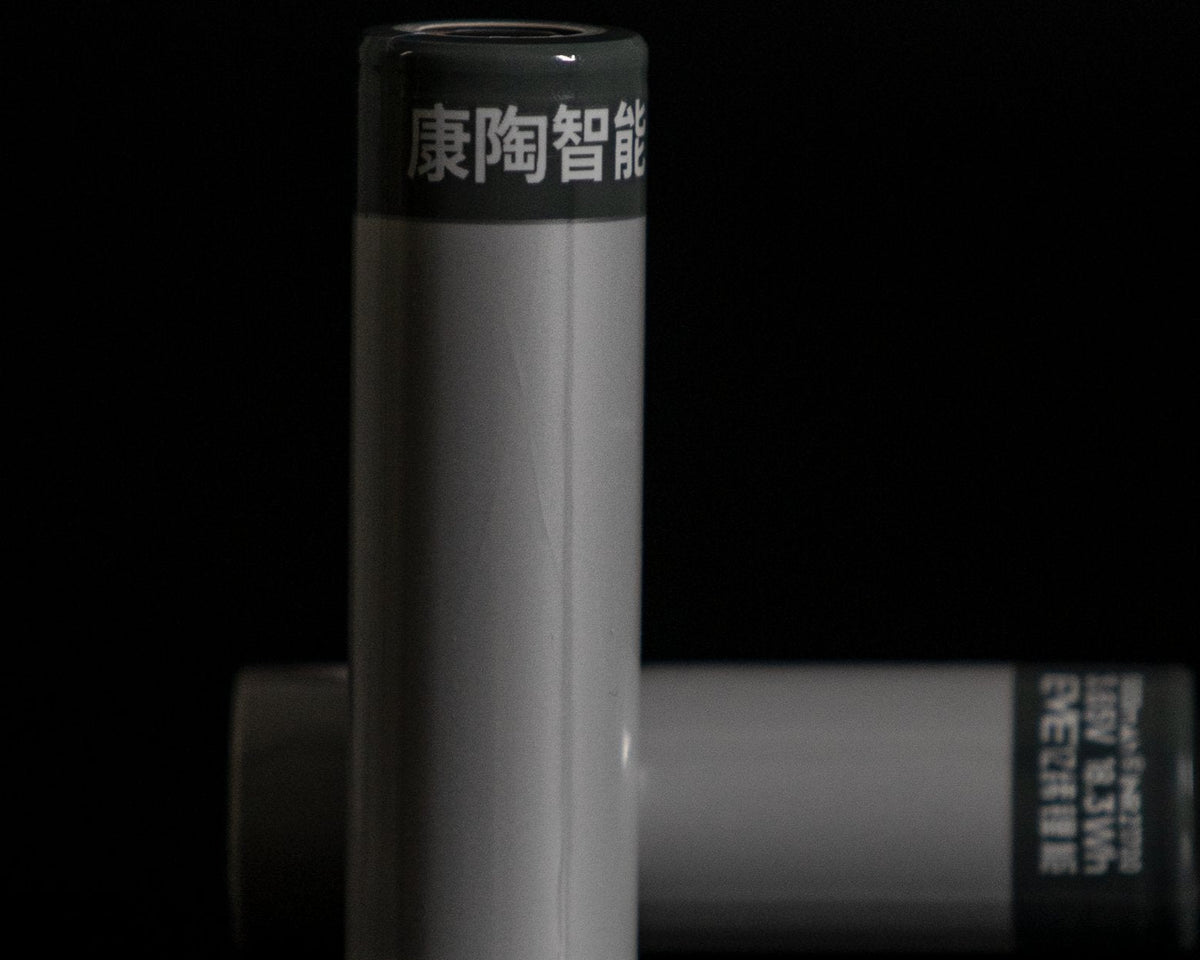
A 21700 is a standard cylindrical lithium-ion cell, roughly 21 mm in diameter and 70 mm long, in a rigid metal can. Like other cylindrical formats, its dimensions are fixed by the standard, so products are designed around known, interchangeable parts.
It's worth repeating a point that causes a lot of confusion: 21700 is a size specification, not a chemistry. Capacity, internal resistance, discharge capability and cycle life all depend on the specific cell model. We cover this in more detail in Why Choose a 21700 Battery for a Power Bank?.
Pouch vs. 21700: Key Differences
|
Aspect |
Pouch cell |
21700 cylindrical cell |
|
Casing |
Flexible laminated foil |
Rigid metal can |
|
Shape flexibility |
Very high — thin and custom shapes |
Fixed cylinder |
|
Mechanical protection |
Provided largely by the device structure |
Provided by the cell's own can |
|
Space efficiency in slim designs |
Generally high |
Lower — round cells leave gaps |
|
Swelling visibility |
More visibly apparent |
Less visibly apparent due to rigid casing |
|
Standardisation |
Usually custom per product |
Standardised cylindrical format, with dimensions defined by the 21700 format |
|
Serviceability |
Typically not user-replaceable |
Can be designed as replaceable |
|
Typical applications |
Phones, tablets, slim power banks |
EVs, power tools, modular power banks |
Why Many Power Banks Use Pouch Cells
Pouch cells dominate slim consumer power banks for practical reasons:
- Thin profiles. A 10 mm power bank is only possible with flat cells.
- Shape freedom. The cell can be sized to fill an unusual enclosure.
- Weight. No metal can means less mass for a given design.
- Packaging efficiency. In flat products, stacked pouches can use space that round cylinders cannot.
If the design brief is "as thin and light as possible", pouch is usually the answer.
Why Some Power Banks Use 21700 Cells
Cylindrical 21700 cells suit a different brief:
- Mechanical robustness. The metal can protects the cell during handling, drops and daily carry.
- Standardised parts. Cells from different manufacturers can share the same nominal dimensions, but electrical specifications and compatibility still need to be checked — the standard defines the size, not the electrical behaviour.
- Predictable behaviour. Cylindrical formats have decades of manufacturing and protection history behind them.
- Serviceability. Because the format is standard, a product can be designed so the cell is removable and replaceable rather than sealed in permanently.
For products built around modularity — where the battery is expected to be changed rather than the whole unit discarded — the standardised cylindrical format is the practical choice.
Which Is Better for Your Use Case?
A pouch-based power bank tends to suit you if:
- Thinness and low weight are the top priorities
- You want a large flat cell that disappears into a bag or pocket
- You don't expect to service or replace the battery
A 21700-based power bank tends to suit you if:
- You value durability in daily carry
- You want the option to carry spare cells and swap them
- You'd rather replace the battery than the whole product
- You prefer standard, widely supported parts
Both are mature, widely used approaches, and both are safe when built with quality cells, proper protection circuitry and sensible handling.
Why N6-RB Uses a 21700 Cell
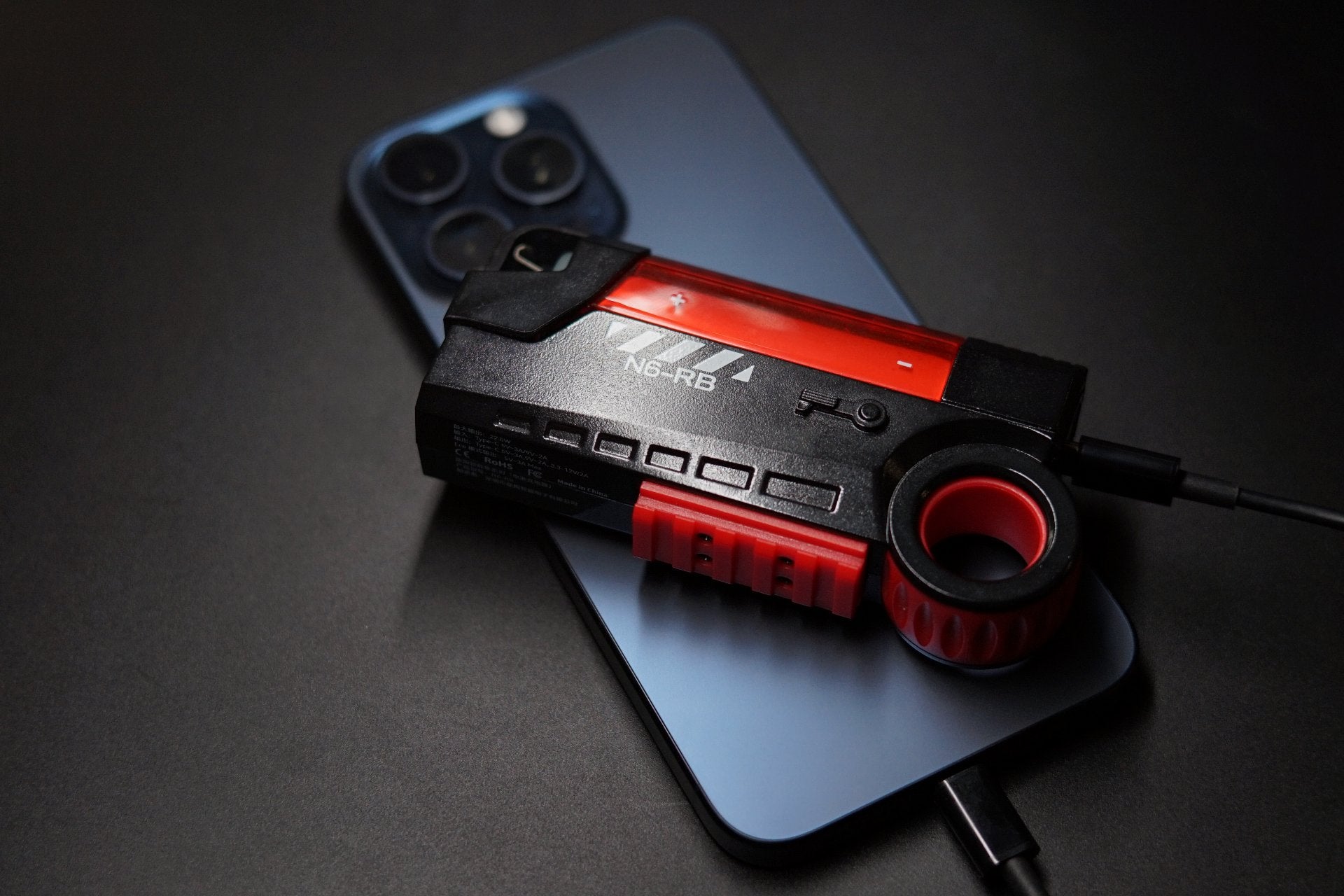
The KangTao Smart N6-RB is built around a replaceable 5000mAh 21700 cell, and that decision follows directly from the comparison above.
A modular product needs a battery that is standard, mechanically robust and removable. A custom pouch pack can be thinner, but it also ties the product to a single, non-replaceable part. With a 21700 cell, the battery becomes the part that changes while the charging module keeps working.
In short: the KangTao Smart N6-RB uses a replaceable 5000mAh 21700 cell because its design prioritises serviceability and modularity rather than an ultra-thin form factor.
If you're weighing the two cylindrical formats rather than pouch, see 21700 vs. 18650. For how a replaceable-battery design actually works, see What Is a Replaceable Battery Power Bank? — and for the practical side of swapping a cell, Can You Replace the Battery in a Power Bank?.
Key Takeaways
Pouch cells and 21700 cylindrical cells are not rivals so much as different tools. Pouch cells enable thin, light, shape-optimised products; 21700 cells enable robust, standardised and potentially replaceable designs. The better choice depends on whether the product prioritises form factor or serviceability.
- Pouch = flexible foil, thin shapes, device provides the mechanical support
- 21700 = rigid metal can, fixed dimensions, cell protects itself
- Pouch generally wins on slimness and space efficiency in flat designs
- 21700 generally wins on robustness, standardisation and serviceability
- "21700" describes size, not chemistry — always check the specific cell
- Neither is unsafe by default; both need proper protection circuitry
FAQ
Which is better for a power bank, pouch or 21700? Neither universally. Pouch cells suit thin, light products; 21700 cylindrical cells suit durable, standardised and potentially replaceable designs.
Are pouch cells less safe than cylindrical cells? Not inherently. Pouch cells are more dependent on the product's structure for mechanical support and compression, which is why their enclosure design matters. Both formats are widely used and both require proper protection circuitry.
Why do power banks swell? Cells can generate gas as they age, or if they're stressed by heat, physical damage or overcharging. Pouch cells can show visible swelling more readily because their flexible enclosure can deform. Cylindrical cells use a rigid metal can, but abnormal swelling or other damage can still indicate a serious battery problem — a swollen or damaged device should stop being used either way.
Can you replace a pouch cell in a power bank? Rarely. Pouch packs are usually custom-made for a specific product and sealed inside, so they're not designed for user replacement.
Is a 21700 cell heavier than a pouch cell of similar capacity? Often yes at the cell level, because of the metal can. At the product level the comparison depends on the whole design, including housing and structure.
What battery does N6-RB use? A replaceable 21700 cylindrical cell providing 5000mAh, in a standard format that can be removed and refitted by hand.
N6-RB Product CTA
If serviceability is what you're after, the KangTao Smart N6-RB is built around a single replaceable 21700 cell — 5000mAh per cell, up to 22.5W fast charging over USB-C, and 55g, with spare cells carried separately and fitted by hand.
See current options and full specifications on the N6-RB product page.