Why Choose a 21700 Battery for a Power Bank?
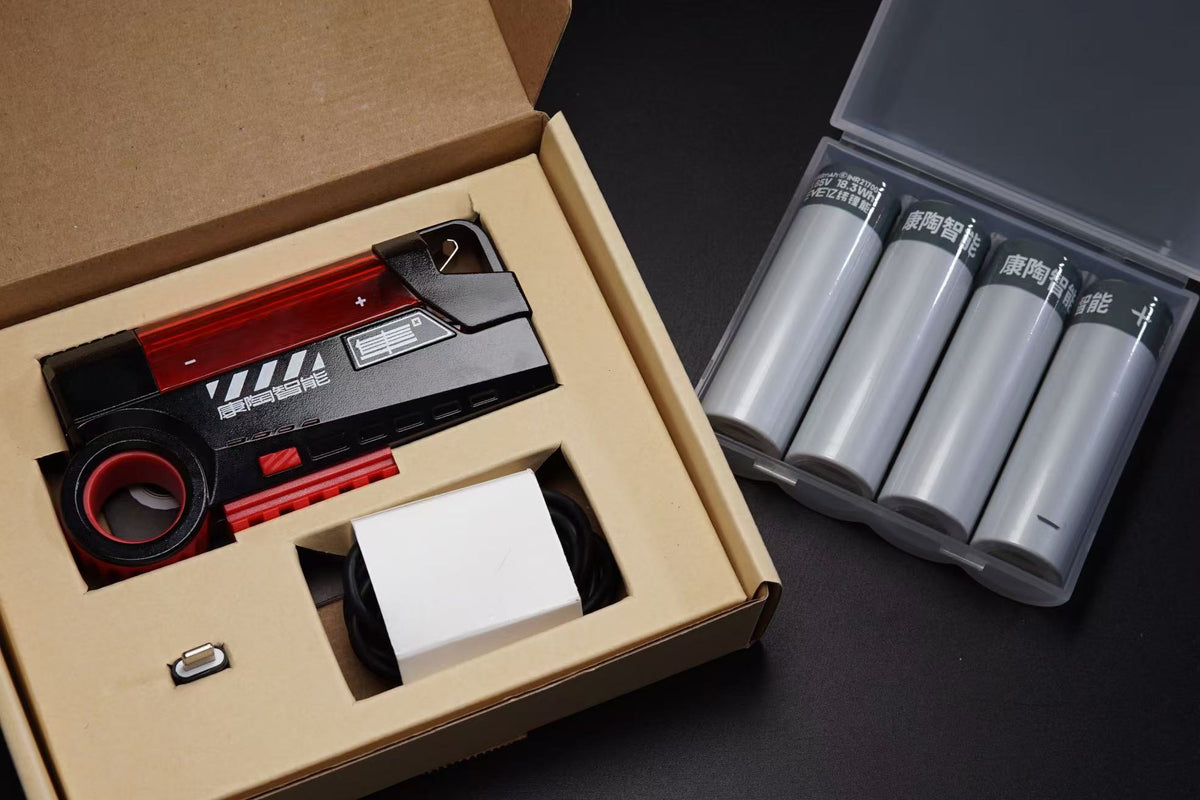
21700 batteries are increasingly used in high-capacity portable power products because their larger cylindrical format allows many cells to offer higher capacity and current capability than comparable 18650 cells. For a power bank, this can mean more energy per cell, fewer cells needed for a given energy target, and greater flexibility for high-output designs.
However, the right battery format depends on a product's size, power requirements and design. In this guide: what a 21700 actually is, why it suits modern power banks, and the cases where an 18650 is still the better answer.
What Is a 21700 Battery?
A 21700 is a rechargeable lithium-ion cell in a standard cylindrical format. The name is simply its dimensions:
- 21 mm diameter
- 70 mm length
The same naming logic applies to the older 18650 — 18 mm × 65 mm — which is why the 21700 is physically larger: roughly 3 mm wider and 5 mm longer. Because volume grows quickly with radius, that modest size increase translates into noticeably more internal space for active material.
One important clarification: 21700 is a size, not a chemistry. A 21700 cell can be built with different lithium chemistries, and specific capacity, internal resistance, discharge rating and cycle life all depend on the individual cell model — not on the "21700" label alone. This is why two 21700 cells from different manufacturers can behave quite differently.
Why Is 21700 a Good Choice for Power Banks?
Four practical reasons, with the caveats that matter.
1. Higher capacity per cell. The larger internal volume means many 21700 models offer higher capacity than comparable 18650 models. On the market today, 21700 cells commonly reach roughly 4,000–5,000mAh, while 18650 cells typically sit in a lower range.
That is a typical range, not a guarantee — some high-capacity 18650 models overlap the lower end of the 21700 range, and low-capacity 21700 models exist. Capacity always depends on the specific cell.
2. More energy in a single cell. A larger cell can store more energy without requiring multiple smaller cells. For a compact power bank, that means a useful amount of capacity from one cell instead of two or three working together.
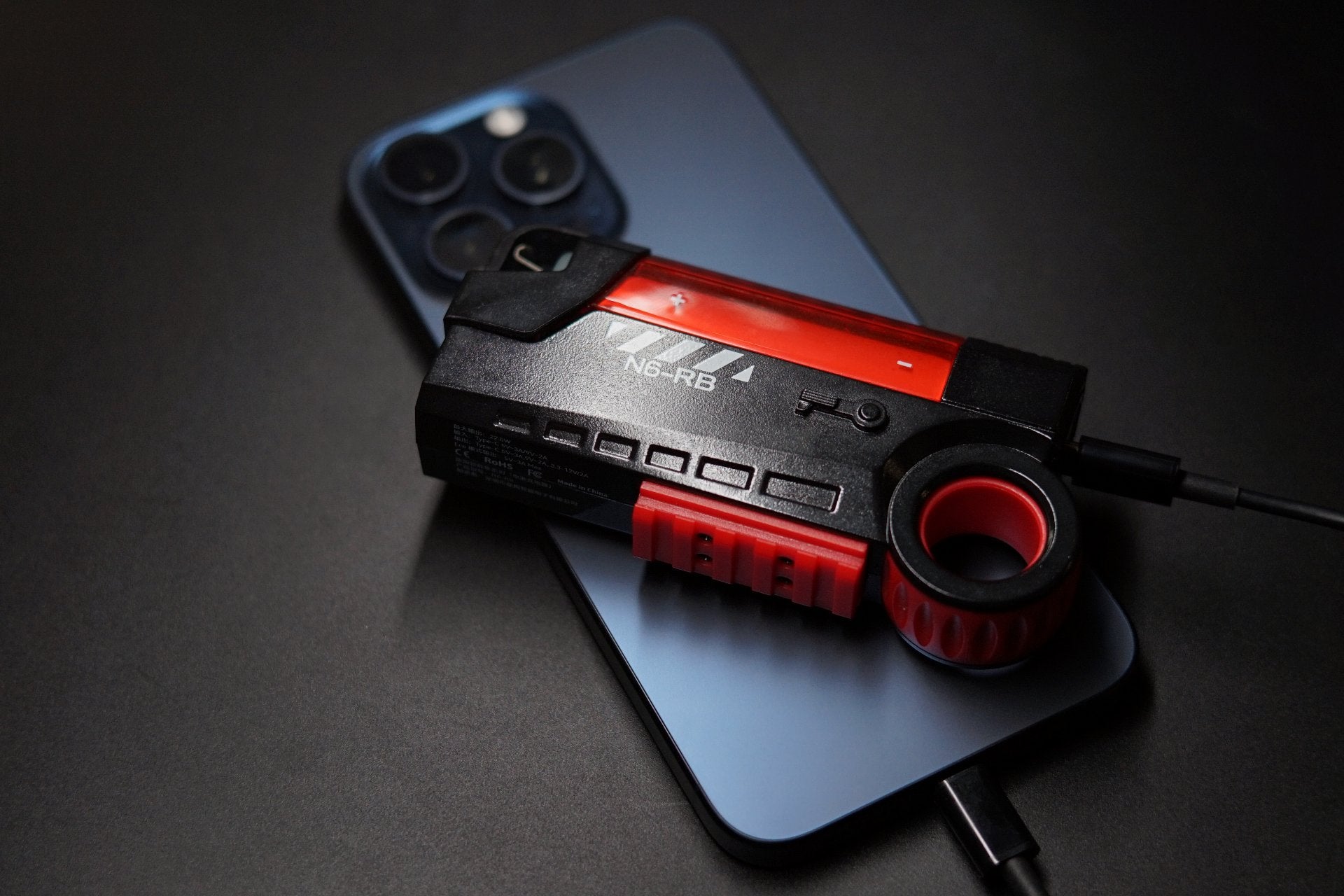
This is why the KangTao Smart N6-RB runs on a single 5000mAh 21700 cell — a meaningful capacity reserve in a unit small enough to carry every day. How many full charges that reserve actually delivers depends on your phone's battery size and the losses in voltage conversion, so treat the printed number as the stored capacity rather than the delivered capacity.
3. High-current options. Many modern 21700 cells are designed with high-current applications in mind, which suits fast-charging power banks that need to deliver 20W or more.
The caveat is important: actual discharge performance depends on the specific cell model. Some 21700 cells are optimised for capacity rather than current, and some 18650 cells are built specifically for high discharge. The format alone doesn't determine it.
4. Better pack-level efficiency. This is the point most articles skip. Hit a given energy target with higher-capacity cells and you can often use fewer cells, which means:
- Fewer cell interconnections
- A simpler battery pack structure
- Fewer interconnects to design, route and protect
- More freedom in product layout
For a manufacturer, that's as much of an advantage as raw capacity.
21700 vs 18650 for Power Banks
|
Feature |
21700 |
18650 |
|
Diameter |
~21 mm |
~18 mm |
|
Length |
~70 mm |
~65 mm |
|
Capacity potential |
Generally higher |
Generally lower |
|
Energy per cell |
Generally higher |
Generally lower |
|
Size |
Larger |
Smaller |
|
Weight |
Usually heavier |
Usually lighter |
|
Compactness |
Lower |
Higher |
|
High-capacity applications |
Excellent fit |
Good |
|
Mature ecosystem |
Growing |
Very mature |
The short version: choose 21700 when capacity and power are priorities. Choose 18650 when compact size and compatibility matter more.
Why N6-RB Uses a 21700 Battery
Three decisions come together in the KangTao Smart N6-RB — a replaceable battery power bank built around a standard 21700 cell.
5000mAh capacity. One 21700 cell provides 5000mAh. That is a useful single-cell capacity for a product this size — the stored capacity of the cell, not a promise about how many full charges any particular phone will receive.
Replaceable design. Instead of replacing the entire power bank when the battery reaches the end of its useful life, N6-RB is designed around a replaceable battery. The cell is the part that wears out, so it is the part that changes: the 21700 cell is designed to be removed and refitted by hand, without tools or disassembly.
Modular power. Put those together and the product architecture is clear: 21700 + replaceable battery + modular design. As a rechargeable 21700 power bank, N6-RB uses a standard cell format rather than a custom pack — so replacement cells can be sourced from normal battery retailers, though availability varies by market and region.
The rest of the specification follows the same logic: up to 22.5W fast charging over USB-C with PD, QC, FCP, AFC and PPS, in a 55g unit with a rotating ring for stress relief, and protection against overcharge, over-discharge, overcurrent, overvoltage, short circuit and temperature. Current options are on the N6-RB product page.
Is a 21700 Battery Always Better?
Not necessarily. The honest answer is format-dependent.
An 18650 is often the better choice when:
- The product has to be as small as possible
- Weight is extremely sensitive
- A device is already designed around the 18650 format
- A very mature supply chain and wide compatibility matter most
A 21700 tends to suit products that need:
- Higher capacity
- Longer runtime between charges
- Higher power output
- Fewer cells for a given energy target
- A new design rather than an inherited one
Both formats remain in wide use, and both are safe when they are quality cells handled properly in a device with proper protection circuitry.
Key Takeaways
21700 is not automatically better than 18650, but its larger cylindrical format gives many modern cells higher capacity potential and strong power capability. For power banks, this can mean more energy from a single cell and greater flexibility for high-capacity or modular designs. The right choice ultimately depends on the specific cell, product size, power requirements and battery architecture.
In short:
- 21700 is a size specification (21 mm × 70 mm), not a chemistry
- Its larger format allows many cells to offer higher capacity per cell
- Fewer, larger cells can simplify a pack for a given energy target
- High-current 21700 options exist, but discharge depends on the specific model
- 18650 remains the better fit where compact size, weight or compatibility come first
- Capacity figures are typical ranges, not guarantees — always check the cell datasheet
FAQ
Is 21700 better than 18650? Not universally. The 21700 generally allows higher capacity and energy per cell, while the 18650 is smaller, usually lighter and backed by a more mature ecosystem. The better choice depends on the product's priorities.
How much capacity does a 21700 battery have? Commonly around 4,000–5,000mAh for many current models, though the exact figure depends on the specific cell and chemistry. Capacity is a property of the cell model, not the 21700 format itself.
Is 21700 safe for power banks? Yes, when it's a quality protected cell from a reputable manufacturer, used in a device with proper protection circuitry and handled sensibly. Never use a cell with a damaged wrapper or a dented can.
Is 21700 heavier than 18650? Usually yes, per cell — it's a larger format. In a finished product the comparison depends on how many cells each design needs.
Can I replace an 18650 with a 21700? Not usually. The 21700 is physically larger and won't fit devices built for 18650 cells. Check the device specification.
Why are 21700 batteries used in high-capacity devices? Their larger format allows more energy per cell, which can reduce the number of cells needed for a given energy target and simplify the pack.
What battery does N6-RB use? A replaceable 21700 cell providing 5000mAh, in a standard format that can be removed and refitted by hand rather than a sealed custom pack.
N6-RB Product CTA
If swappable capacity is what you're after, the KangTao Smart N6-RB is built around a single replaceable 21700 cell: 5000mAh per cell, up to 22.5W fast charging over USB-C, 55g, with a rotating ring for stress relief. Spare cells can be carried separately and fitted by hand.
See current options and full specifications on the N6-RB product page.