What Is a Modular Power Bank? (2026 Guide)
A modular power bank is a portable charger built from parts you can take apart, swap, or expand using standard components — most often the battery cell. Rather than one sealed block you discard when something wears out, a modular design lets you change or add a piece (usually the cell) and keep using the rest. The word "modular" actually covers a few distinct ideas, and the differences matter when you compare products.
What "modular" means in power banks
A module is a discrete building block you can separate from the whole. In power banks, the modules that tend to show up are:
- The battery cell — the energy store, and the part most likely to wear out first.
- The port or interface module — where USB-C, USB-A or other outputs live.
- Capacity expansion blocks — extra cells or packs that add runtime.
A product is "modular" to the degree that these pieces are real, separate components you can reach — not glued into a single sealed unit. For the broader definition of a charger built around a cell you can swap, see What Is a Replaceable Battery Power Bank?.
The main types of modular power banks
The label gets used for several different designs. The three most common:
- Cell-swap modular. The individual cell (typically a cylindrical standard like 21700) is removable and replaceable. This is the form the KangTao Smart N6-RB uses.
- Stackable / expandable. Separate brick-like modules daisy-chain together to add capacity. You carry more blocks for more runtime.
- Module-swap. You replace a whole battery pack module — a sealed pack that plugs into the main unit — rather than a single bare cell.
These are not the same product. A cell-swap design solves "my cell wore out" by letting you drop in a new one; a stackable design solves "I need more capacity today" by letting you add blocks. Knowing which problem you're solving is the first step to choosing.
Modular vs replaceable vs sealed
The terms overlap, so a direct comparison helps:
|
|
Sealed |
Replaceable |
Modular |
|
Battery access |
None (glued/welded in) |
Cell is removable |
Built from separate, reachable modules |
|
Typical maintenance |
Discard whole unit |
Swap the cell |
Swap or expand a module |
|
Capacity expansion |
Fixed |
Fixed (carry spare cells) |
Sometimes expandable |
|
Common form |
Most consumer banks |
Swappable-cell designs |
Cell-swap, stackable, or module-swap |
"Replaceable" usually describes a single capability (you can swap the cell). "Modular" is a wider description of how the product is constructed. A cell-swap power bank is both replaceable and modular; a sealed bank is neither.
Why modular designs often use standard cells (21700 / 18650)
Modularity only works if the piece you're swapping is actually obtainable. That's why many modular designs use standard cylindrical cells such as 21700 or 18650 — named for their dimensions (21700 ≈ 21mm × 70mm; 18650 ≈ 18mm × 65mm) and made by many manufacturers.
One clarification that matters: 21700 and 18650 describe sizes, not chemistries. A 21700 cell can use different lithium chemistries, and its capacity, discharge rating and cycle life depend on the specific cell model — not on the label. What enables interchange is the standard format, not any single chemistry. For a cell-by-cell breakdown, see 21700 vs 18650: Which Battery Is Better for Power Banks?.
What you gain
The appeal of a modular approach is practical rather than theoretical:
- Runtime you can extend on demand. A spare cell or an extra block covers a long day without hunting for an outlet.
- A longer usable life for the product. When the cell fades after a few hundred cycles, you replace that part — not the electronics, casing and ports that still work.
- Less waste. Replacing a cell or module generates far less e-waste than discarding a whole power bank.
- Field serviceability. A standard part can be swapped wherever you are, with no repair shop.
The trade-offs to know
Modular is not automatically the right answer for everyone, and the marketing sometimes oversells it. Worth keeping in mind:
- Size and weight. Reachable compartments and connectors add bulk versus a tightly sealed block.
- Cost. Modular hardware tends to cost more up front, though it can cost less over the product's life.
- Not every "modular" claim is equal. If you can't actually buy the spare part, the feature is cosmetic. Check that replacements are available before you rely on it.
- Compatibility limits. Modules are rarely cross-brand; a spare usually has to match the exact product.
So the honest framing is: modular designs trade some compactness for serviceability and flexibility. Whether that trade is worth it depends on how you use the device.
What to check before buying
When a product calls itself modular, look for:
- A genuinely standard module — if you can't buy a replacement easily, the feature doesn't help you.
- Proper protection — overcharge, over-discharge, overcurrent, overvoltage, short circuit and temperature protection.
- Credible certification — a reputable maker can state which safety standards were tested.
- Spare availability — are cells or modules actually sold, and are they protected cells?
If those boxes aren't clearly ticked, treat "modular" as a description to verify, not a guarantee.
Where the KangTao N6-RB fits
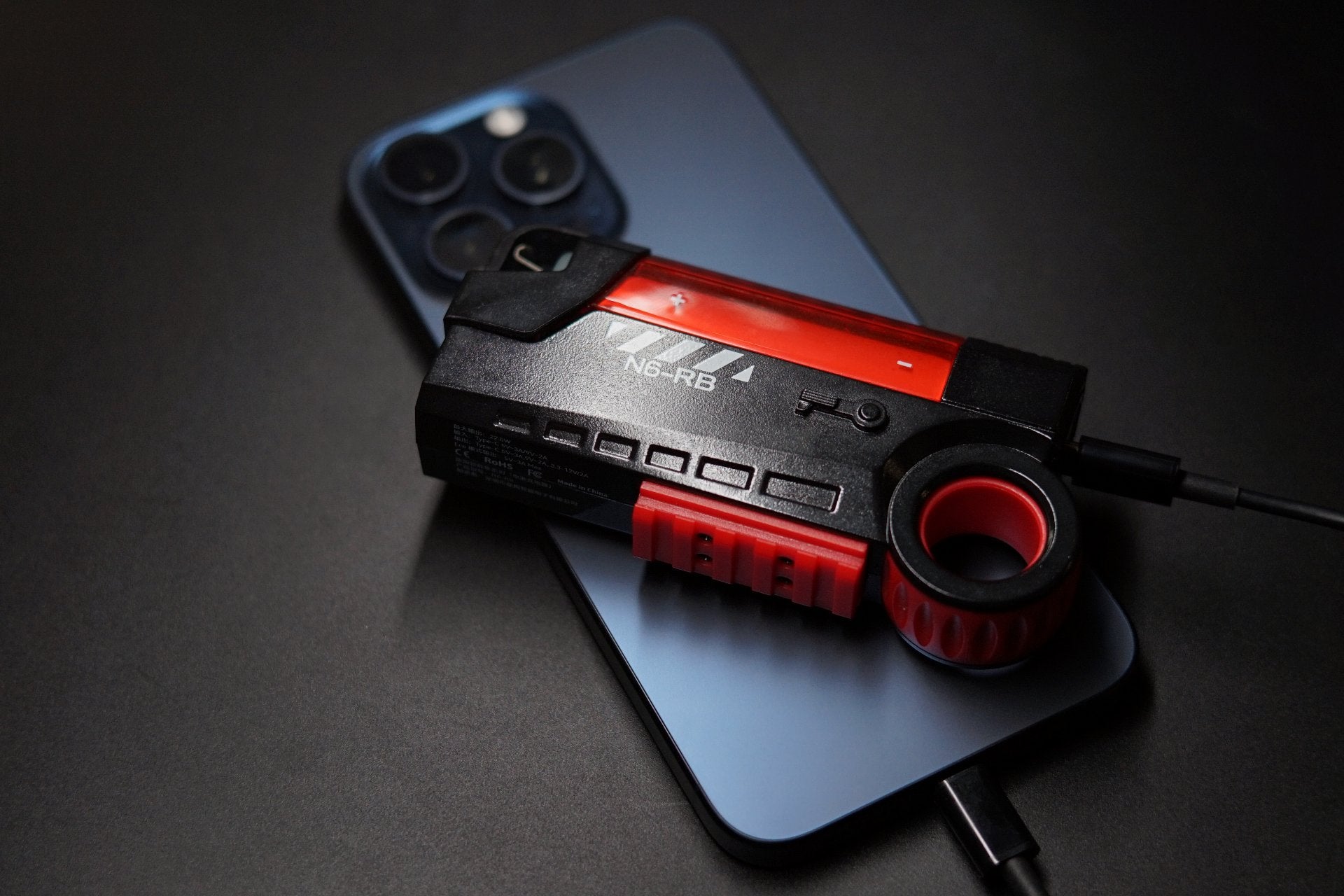
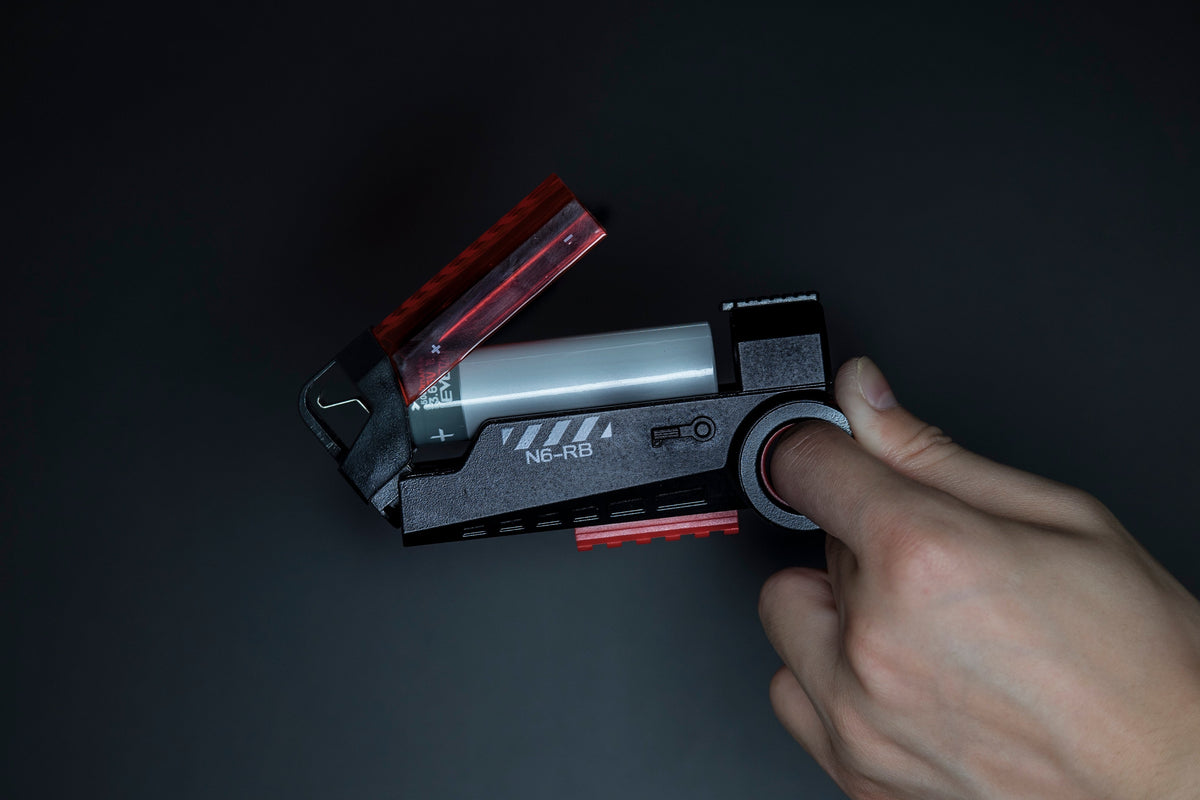
To be precise about our own product: the N6-RB is a cell-swap modular power bank. Its 21700 cell sits in an accessible compartment you open with a push, and a charged cell drops in to extend runtime or replace a worn one. It is not a stackable or expandable system — adding capacity means carrying a spare cell, not clipping on another block. That scope is deliberate: it keeps the unit light (55g) and simple, at the cost of not being a building-block platform.
For how a swappable cell actually behaves in use, see How Does a Replaceable Battery Power Bank Work?.
Key Takeaways
- A modular power bank is built from separate, reachable parts you can swap or expand — most often the battery cell.
- The main types are cell-swap, stackable/expandable, and module-swap — they solve different problems.
- "Replaceable" is one capability; "modular" describes the whole construction. A cell-swap bank is both.
- 21700 and 18650 are sizes, not chemistries; the standard format is what makes swapping possible.
- Modular trades some compactness for serviceability and flexibility — worth it depends on how you use it.
The KangTao Smart N6-RB
The N6-RB is a cell-swap modular power bank built around a replaceable 21700 cell. Each cell provides 5000mAh, the unit weighs 55g, and it supports up to 22.5W fast charging over USB-C with PD, QC, FCP, AFC and PPS. Protection covers overcharge, over-discharge, overcurrent, overvoltage, short circuit and temperature, and it has passed multiple safety certifications.
Current options and full specifications are on the N6-RB product page.
FAQ
What is a modular power bank? A portable charger built from separate, reachable parts you can swap or expand — most often the battery cell. It lets you change or add a piece rather than replacing the whole product.
Are modular and replaceable power banks the same? Not exactly. "Replaceable" usually means the cell can be swapped. "Modular" describes how the whole product is built from separate modules. A cell-swap power bank is both; a sealed one is neither.
What are the types of modular power banks? The main types are cell-swap (replace the individual cell), stackable or expandable (add blocks for more capacity), and module-swap (replace a whole battery pack module).
Are modular power banks better than sealed ones? It depends on how you use it. Modular designs trade some compactness for serviceability and flexibility, and can extend a product's life. Sealed banks are typically smaller and cheaper up front. Neither is universally better.
Is the KangTao N6-RB a modular power bank? Yes — specifically a cell-swap modular design. Its 21700 cell is removable and replaceable. It is not a stackable or expandable system; extra capacity comes from carrying a spare cell.